One thermostat in a two-story home may not represent every bedroom and living space. HVAC zoning can give different areas separate temperature calls, but adding thermostats alone does not create a well-designed zoned system.
What Zoning Actually Changes
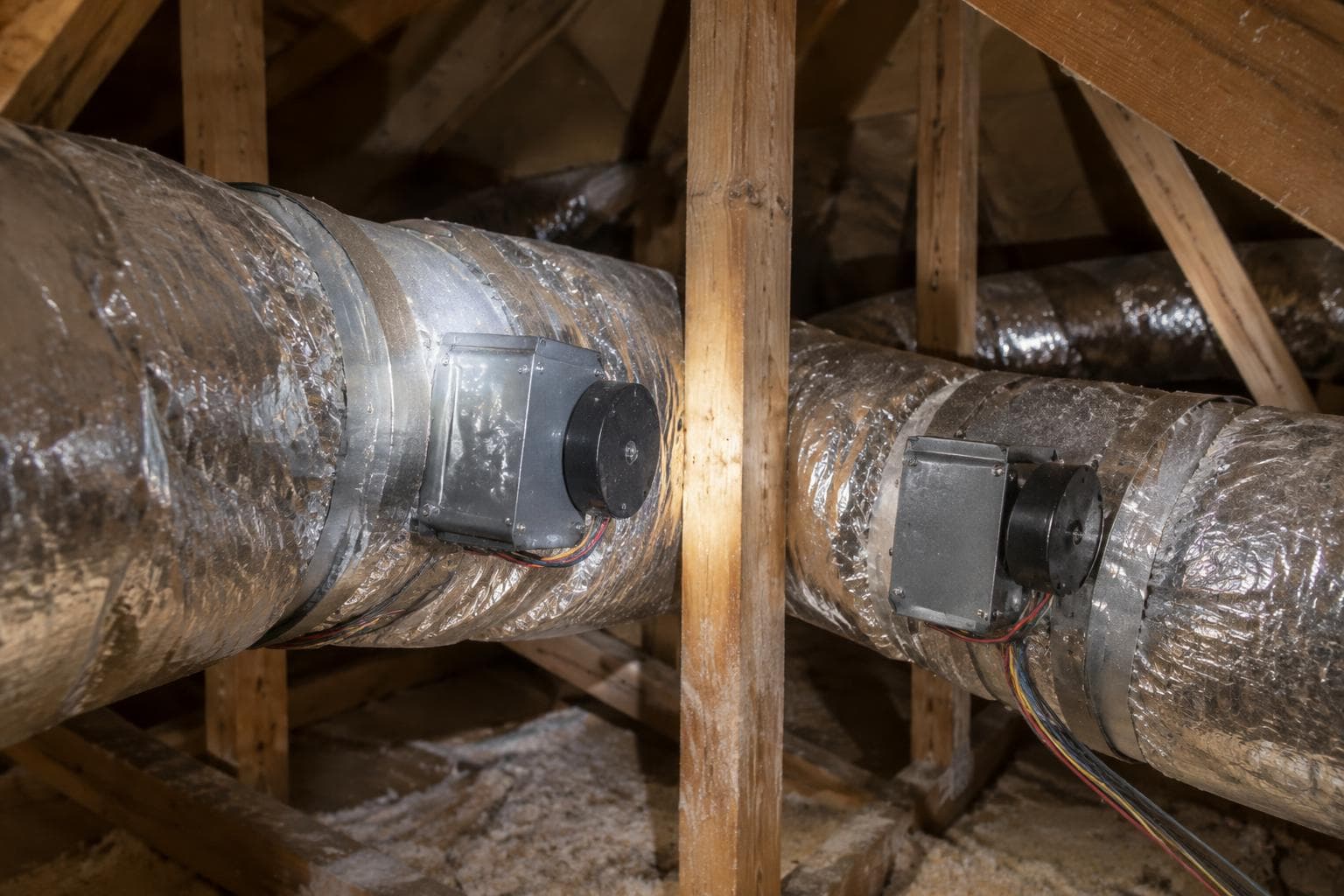
In a ducted system, zone thermostats and motorized dampers direct conditioned air to the areas calling for it. Other approaches include separate systems for different floors or a ductless unit serving a particular space. The best option depends on the existing equipment, duct layout, and size of the areas involved.
When It May Be Worth Exploring
Zoning can help when floors have consistently different loads, parts of the house are occupied at different times, or a large home cannot be comfortable with one control point. In Houston, a hot upstairs and a cool downstairs is a familiar example. But first establish whether attic duct leaks, weak returns, insulation, or equipment issues are driving the imbalance.
Why Design Matters
When only a small zone calls, the system must still move enough air through the equipment. Poorly designed damper zoning can increase static pressure, noise, and stress on components. A contractor should assess airflow, duct capacity, and equipment controls before recommending dampers. Simply closing registers is not a substitute for zoning.
Ask for an explanation of how the system handles a single zone calling, how humidity will be managed in cooling season, and what maintenance the added controls need. A ductless unit or a second system may be more sensible in some layouts.
Our uneven-temperature guide helps you document the symptoms before discussing options. For a home-specific comfort assessment, contact NexAir Solutions.
Further reading: U.S. Department of Energy HVAC renovation guide.