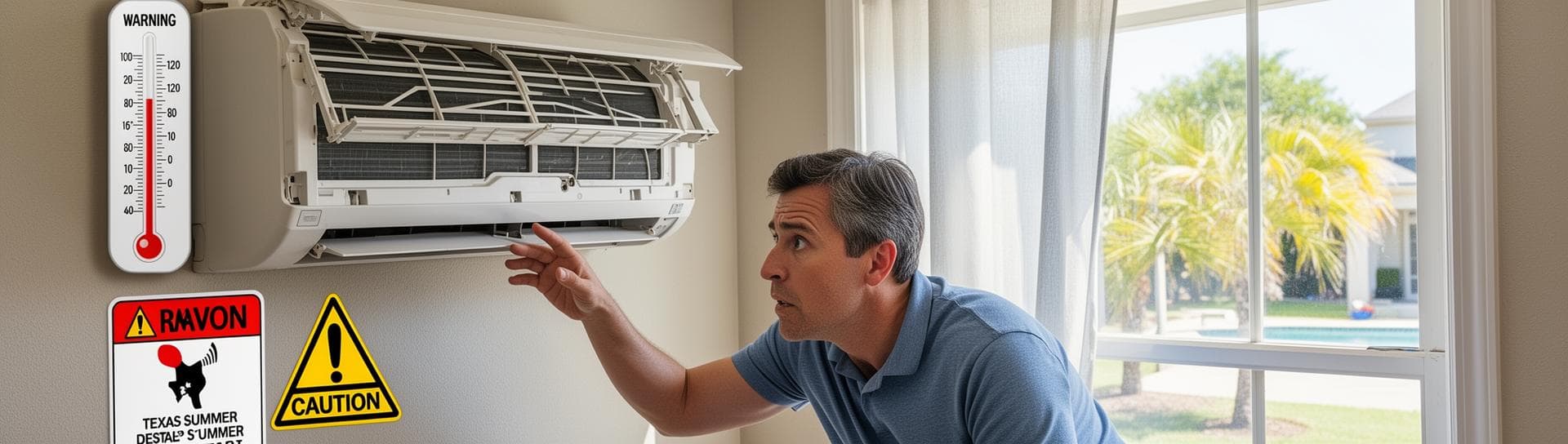
When your air conditioner isn't cooling properly, you might wonder if it's safe to keep running it. The answer depends on the underlying problem and potential risks involved. Running a malfunctioning AC can cause property damage, health issues, and expensive repairs. Here's when it's safe to operate and when you should shut down immediately.
1. Low Refrigerant Levels
Generally unsafe: Running AC with low refrigerant can damage the compressor.
Risks involved:
Safe duration: 0 minutes - shut down immediately and call professional.
2. Dirty Air Filters
Usually safe but inefficient: Clogged filters reduce efficiency but don't typically cause immediate damage.
Short-term operation:
Recommendation: Replace filters within 24-48 hours.
3. Thermostat Issues
Generally safe: Thermostat problems rarely cause physical damage to the system.
Operation considerations:
Action: Can operate while troubleshooting or scheduling repair.
4. Frozen Evaporator Coils
Definitely unsafe: Ice buildup indicates serious airflow or refrigerant problems.
Immediate dangers:
Action: Shut down immediately - do not attempt to thaw manually.
5. Electrical Problems
Potentially very dangerous: Electrical faults can cause fires or shocks.
Safety hazards:
Emergency: Shut down at breaker and call licensed electrician immediately.
6. Blower Motor Issues
Moderately unsafe: Problems can worsen and cause further damage.
Risks:
Safe duration: 1-2 hours maximum, then shut down and call professional.
7. Compressor Problems
Highly unsafe: Compressor issues can cause catastrophic failure.
Severe risks:
Action: Shut down immediately - compressor repair is major service.
8. Ductwork Leaks
Generally safe but wasteful: Leaks don't damage the AC unit itself.
Issues:
Action: Can operate while scheduling duct repair.
9. Outdoor Unit Obstructions
Unsafe for extended periods: Blocked airflow can cause overheating.
Risks:
Safe duration: Clear obstructions immediately, don't operate if severely blocked.
10. Age-Related Wear
Depends on severity: Older systems may have multiple minor issues.
Assessment needed:
General rule: If over 10 years old and not cooling well, replacement may be better than repair.
Warning Signs to Shut Down Immediately
Critical safety indicators:
Health and safety: Stop operation if you experience headaches, dizziness, or unusual symptoms.
When You Can Continue Operating
Acceptable temporary operation:
Monitoring required: Watch for worsening symptoms and be prepared to shut down.
Health Considerations
Indoor air quality issues:
Vulnerable populations:
Environmental Impact
Energy waste considerations:
Efficiency loss: Inefficient operation wastes energy and increases utility costs.
Professional Assessment Needed
When to call technician:
Emergency situations:
Prevention Strategies
Maintain system health:
Regular inspections: Annual tune-ups prevent most cooling problems.
Cost-Benefit Analysis
Running vs. shutting down:
Decision factors: Age of system, severity of problem, and local climate conditions.
Safety should always come first when dealing with AC problems. If you're unsure whether it's safe to continue operating, err on the side of caution and shut down the system. For professional diagnosis and safe AC repair in Houston, contact NexAir Solutions today!