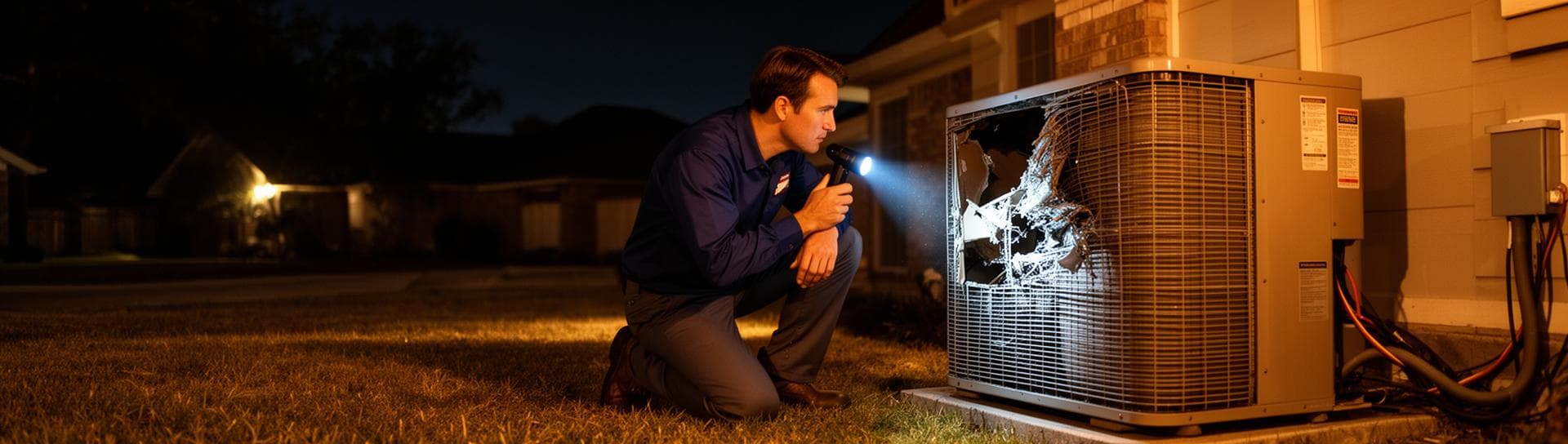
What Counts as an HVAC Emergency in Houston?
Emergency Services

What Counts as an HVAC Emergency in Houston?

NexAir Solutions

HVAC emergencies can strike at any time, especially during Houston's extreme heat or cold snaps. Knowing what constitutes a true emergency versus a routine repair can save you time, money, and prevent property damage. Here's what counts as an HVAC emergency in Houston:


1. Complete System Failure


Immediate danger: When your HVAC system stops working entirely and your home temperature becomes unsafe.


Emergency indicators:

  • No heat during freezing temperatures
  • No cooling during extreme heat (above 90°F)
  • System completely unresponsive to thermostat commands
  • Risk of frozen pipes or heat-related illness

  • 2. Strange Noises or Burning Smells


    Potential fire hazard: Unusual sounds or odors indicate serious mechanical problems that could cause property damage or fire.


    Warning signs:

  • Loud banging, grinding, or screeching noises
  • Burning electrical smell
  • Smoke coming from vents or unit
  • Rattling or vibrating sounds that worsen over time

  • 3. Water Leaks or Flooding


    Property damage risk: Leaking water can cause extensive damage to your home's structure and belongings.


    Emergency situations:

  • Water pooling around indoor unit
  • Leaking from ceiling or walls near ducts
  • Standing water in crawl spaces or attics
  • Mold growth visible within 24-48 hours

  • 4. Carbon Monoxide Concerns


    Life-threatening emergency: CO poisoning can be fatal and requires immediate evacuation and professional intervention.


    Warning signs:

  • Yellow or orange burner flames (should be blue)
  • Sooty stains around furnace
  • Excessive condensation on windows
  • Family members experiencing headaches, dizziness, or nausea


  • Houston-specific emergencies: Our climate creates unique HVAC challenges that require urgent attention.


    Weather-related emergencies:

  • Ice buildup on AC unit during rare cold snaps
  • Floodwater contamination of HVAC equipment
  • Hurricane damage to outdoor units
  • Excessive humidity causing condensation issues

  • 6. Power Surges or Electrical Problems


    Electrical hazards: Faulty wiring can cause fires, shocks, or complete system failure.


    Electrical emergencies:

  • Circuit breaker repeatedly tripping
  • Sparking at outlets or switches
  • Exposed wiring or damaged cords
  • System working intermittently with power fluctuations

  • 7. Sewage Backup or Contamination


    Health and safety hazard: Contaminated air from sewage or chemical exposure requires immediate professional cleanup.


    Contamination emergencies:

  • Sewage smell from vents
  • Chemical fumes being circulated
  • Biological contaminants in ductwork
  • Allergic reactions to circulated air

  • 8. Commercial Property Issues


    Business-critical emergencies: For commercial properties, HVAC failures can impact operations and employee safety.


    Commercial emergencies:

  • Restaurant kitchen exhaust failure
  • Medical facility temperature control issues
  • Server room overheating
  • Large space cooling failure during business hours

  • What to Do During an HVAC Emergency


    Immediate actions:

  • Evacuate if you smell gas or suspect CO poisoning
  • Turn off system at breaker if you smell burning
  • Open windows for ventilation if safe
  • Call emergency services if health is at risk

  • Contact professional help:

  • Call licensed HVAC technician immediately
  • Provide clear description of symptoms
  • Allow access for inspection and repair
  • Document all communications and work

  • When NOT to Call Emergency Services


    Routine situations:

  • Minor temperature fluctuations
  • Dirty air filters
  • Thermostat programming issues
  • Regular maintenance needs

  • Houston's climate makes reliable HVAC crucial for comfort and safety. Don't hesitate to call for emergency service when you suspect a serious problem. For 24/7 emergency HVAC service in Houston, contact NexAir Solutions immediately!